


 Google Rating 400+ Reviews
 Mon To Fri: 8:00am - 5:00pm
 1800 548 502






Rental Minimum Standards for Heating in Victoria: Current Requirements and Future Changes
 June 19, 2026
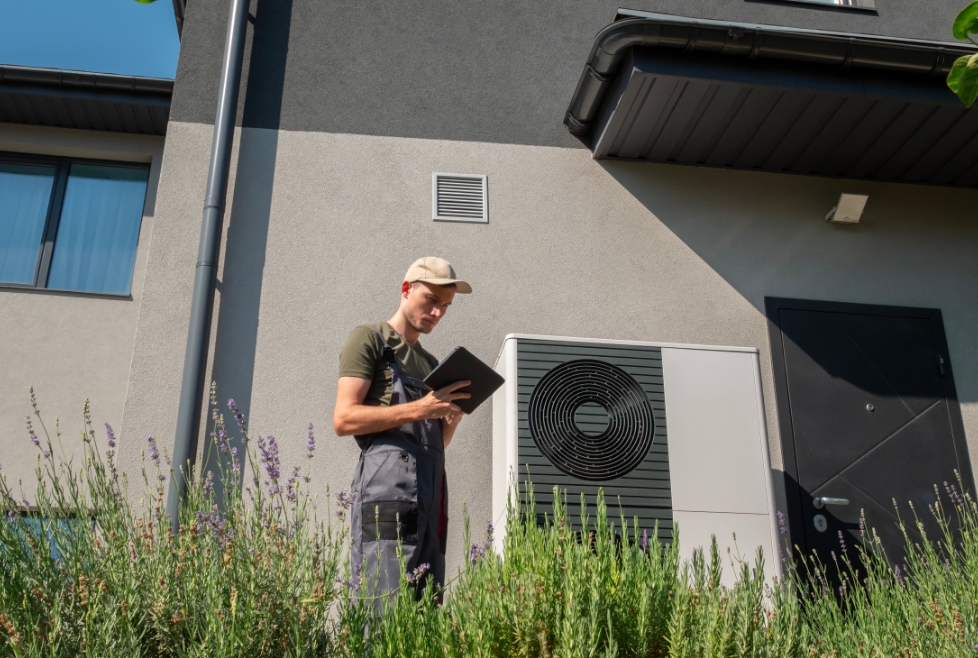
Anyone who has experienced a winter in Melbourne knows that heating isn’t a luxury: it’s essential.
We might joke about Melbourne having four seasons in one day, but the reality is that our winters can be brutal. A cold rental property isn’t just uncomfortable for renters, it’s one of the quickest ways to end up with complaints, maintenance requests and potential compliance issues.
That’s exactly why heating is a part of the current Rental Minimum Standards in Victoria.
And with further energy efficiency changes coming in 2027, it’s becoming increasingly important for landlords and property managers to understand not only what’s required today, but where things are heading.
The good news?
The rules are actually fairly straightforward.
Here’s what you need to know.
What Are the Current Heating Requirements in Victoria?
All Victorian rental properties must supply heating for renters.
This requirement applies to all residential rental properties, including:
- Houses
- Units
- Apartments
- Townhouses
To meet with the current heating standards, the heater must be:
- At least a 2-star energy-efficient heater
- Fixed to the property (ie: non-portable)
- Have at least one outlet in the ‘main living area.’
Summary:
Victorian rental properties must have a fixed 2-star heater installed in the main living area. Portable heaters are not compliant unless there is an exemption (eg: OC prohibits installation). Future energy efficiency reforms expected from 2027 place greater emphasis on efficient electric heating systems such as reverse-cycle split systems.
What Types of Heating meet the Current 2026 Rental Minimum Standards?
The current heating requirements for rental properties in Victoria are as follows:
- The heating system must be at least 2-star from an energy efficiency perspective
- The heating system must be fixed
- There must be at least 1-outlet in the main living area
The types of heaters that usually comply with these requirements are:
- Gas ducted heating
- Gas wall furnaces
- Gas space heaters
- Gas log fires (specific ones)
- Reverse-cycle split systems
- Reverse-cycle ducted split systems
- Hydronic heating systems
Are there exemptions to the above?
Yes.
Exceptions apply if:
- a) the cost of installation would be significantly higher than the average price of installation; or
- b) Owners Corporation rules prohibit installing the appliance; or
- c) compliance with any other Act or local law makes the cost of installation prohibitive.
On the flip side, non-compliant heaters (without exemptions) include:
- Plug in panel heaters
- Plug in oil heaters
- Portal heaters
- Decorative log fires
- Any heaters above that are not at least a 2-star efficiency rating (in cool climate)
Do Bedrooms Need Heating?
Under the current regulations, no.
The minimum standard only requires fixed heating in the main living area.
Bedrooms are not currently required to have their own heating systems.
That said, many landlords are choosing to install additional split systems or ducted heating to improve comfort and future-proof their properties.
What’s Changing in 2027?
While the current focus is simply having fixed heating, future reforms are planned to place greater emphasis on energy efficiency – particularly in relation to removing gas.
From the 1st of March, 2027, if your gas heater fails and cannot be repaired – then it must conform to the energy efficiency requirements:
Heating systems must be fixed electric 2-star heaters with at least 1 outlet in the main living area that are either:
- Non-ducted air conditioners/heaters (eg: split system)
- Ducted air conditioners/heaters with an energy efficiency rating (GEMS) of > 3.2 for heating (cool climate).
Summary
Melbourne winters aren’t getting any warmer.
And neither are tenant expectations.
Heating isn’t just about ticking a compliance box.
It’s about providing a safe, comfortable home and protecting the long-term value of your investment.
Whether you’ve got an ageing wall furnace, an old ducted heater or you’re simply looking to future-proof your property, having a plan now will save headaches later.
At Compliance Fixer, we help landlords and property managers across Melbourne navigate both the current requirements and the changes coming in the years ahead.
Because staying ahead of compliance is always easier than catching up.
Frequently Asked Questions
No. The heating system must be permanently fixed to the property.
No. Under the current regulations, only the main living area requires fixed heating.
Yes. Existing systems can remain in use provided they are safe and operating correctly. However, when they fail and cannot be repaired from the 1st of March 2027, they must be upgraded.
Not necessarily. Future reforms are expected to focus on replacement systems on failure and energy efficiency rather than forcing immediate upgrades.
For many Melbourne homes, reverse-cycle split systems are becoming the preferred solution because they provide both heating and cooling while improving energy efficiency.
Yes, the Victorian Energy Upgrade (VEU) scheme is currently in place to incentivize owners to replace gas systems with electric.

 1800 548 502
June 18, 2026
June 17, 2026


